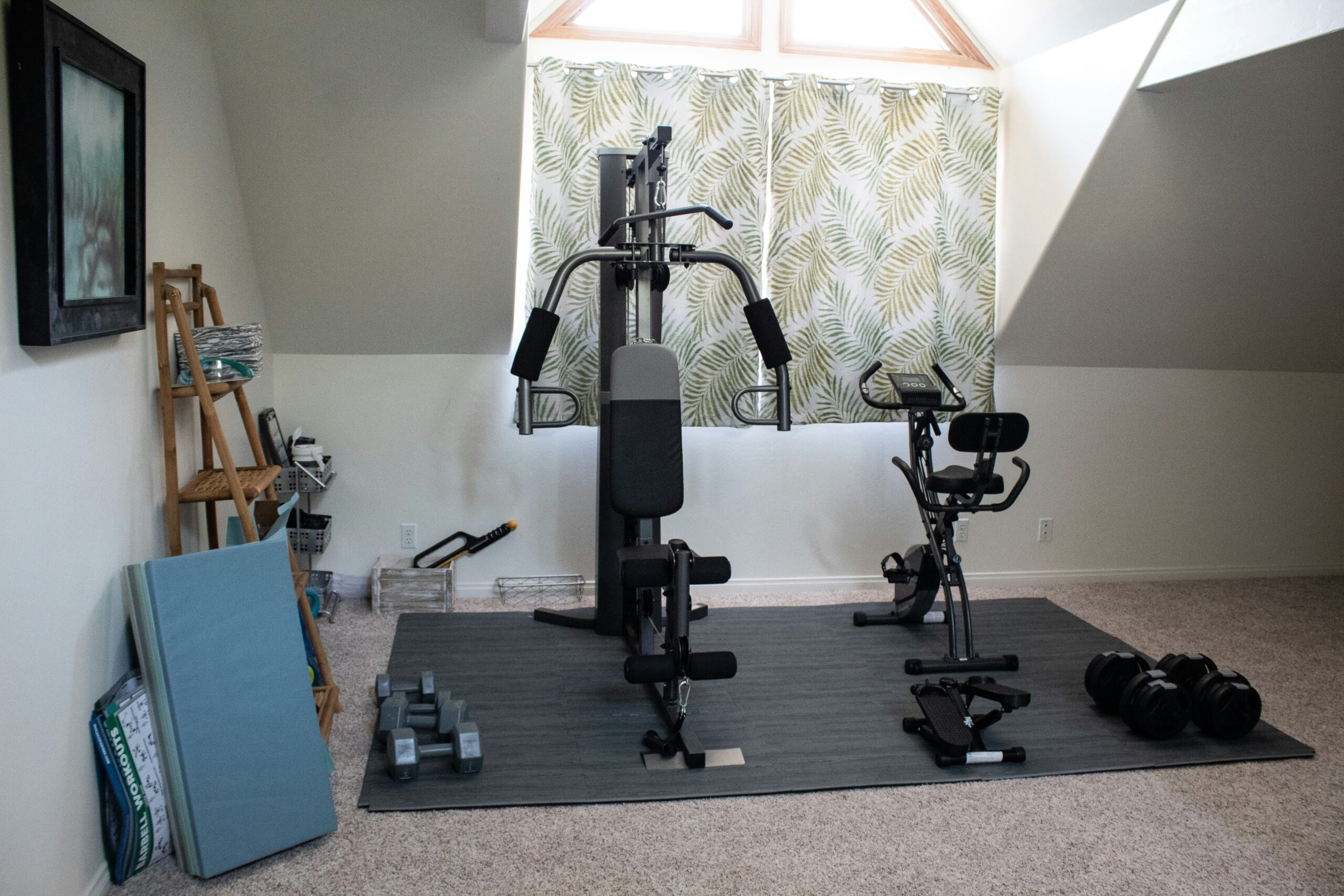
Building a home gym can make serious training easier, more consistent, and more enjoyable. You do not need a huge room or expensive commercial machines to create an effective workout space. The right home gym essentials can support strength, endurance, flexibility, balance, and recovery without forcing you to leave home. For a dedicated sports enthusiast, a home gym also removes common barriers such as travel time, crowded equipment, and limited gym hours. A carefully planned space gives you the freedom to train around your schedule while focusing on the movements that matter most for your sport. The goal is not to collect every piece of fitness equipment available. Instead, you should choose versatile tools that support safe, progressive, and effective workouts for years to come.
Start With a Reliable Exercise Mat
A quality exercise mat is one of the simplest additions to a home gym, yet it serves many purposes. It creates a comfortable surface for stretching, mobility work, core exercises, and bodyweight movements. A good mat also protects your knees, elbows, and back when you train on hard flooring. Choose one with enough grip to prevent slipping during demanding movements.
Thickness matters because a mat that feels too thin may offer little protection, while an extremely soft mat can reduce stability. Look for a surface that remains firm during planks, lunges, and balance exercises. In addition, choose a material that is easy to wipe clean after workouts. Regular cleaning helps maintain a healthier training environment.
Add Adjustable Dumbbells for Strength Training
Dumbbells belong in almost every serious home gym because they provide excellent training flexibility. You can use them for presses, rows, squats, lunges, curls, raises, and many other movements. Adjustable dumbbells are especially useful when space is limited. They replace several pairs of traditional weights while still allowing you to increase resistance as your strength improves.
Athletes can also use dumbbells to train one side of the body at a time. This approach can expose differences in strength and help improve overall balance. Moreover, dumbbells allow natural movement patterns that work well for many sports. Start with weights that match your current ability, then gradually increase resistance as your technique and strength develop.
Use Resistance Bands for Versatile Workouts
Resistance bands provide a simple way to add challenge without taking up much storage space. They work well for strength exercises, warmups, mobility sessions, and rehabilitation movements. Different resistance levels allow you to adjust the difficulty for various muscle groups. Bands can also help athletes practice controlled movements without placing excessive pressure on the joints.
Loop bands are useful for lower body exercises such as lateral walks and glute work. Longer bands can support rows, presses, assisted pull-ups, and stretching. Furthermore, resistance bands travel easily so that you can continue training during vacations or competitions. Their low cost and flexibility make them one of the most practical home gym investments.
Build Full Body Strength With a Barbell Setup
A barbell can serve as the centerpiece of a serious strength program for athletes with enough space. Exercises such as squats, deadlifts, presses, and rows can build strength across several major muscle groups. A barbell also makes progressive training easier because you can add small amounts of weight over time. This gradual increase helps your body adapt without forcing sudden jumps in resistance.
Safety should remain the priority when adding heavier equipment. A sturdy rack with adjustable safety supports can make solo training more secure. In addition, quality weight plates and secure collars help keep the bar stable during lifts. Make sure your floor can handle the equipment, especially if you plan to perform heavy strength exercises regularly.
Include a Strong Adjustable Bench
An adjustable bench expands the number of exercises you can perform with dumbbells, barbells, and resistance bands. Flat, incline, and upright positions allow you to target muscles from different angles. You can perform chest presses, shoulder presses, supported rows, split squats, and many other movements. A stable bench can also improve your body position during strength exercises.
Look for a bench with a strong frame and secure adjustment points. The padding should feel comfortable without becoming so soft that it reduces stability. Additionally, check the bench’s size before buying; some models require significant floor space. A folding design can work well in smaller rooms where the gym must share space with other activities.
Choose Cardio Equipment That Matches Your Goals
Cardiovascular training supports endurance, recovery, and overall athletic performance. However, you do not need several large cardio machines in a home gym. Choose equipment based on your preferred training style and available space. A treadmill works well for runners, while a stationary bike can provide lower-impact conditioning for athletes who want to reduce stress on their joints.
A rowing machine can be another effective option because it combines cardiovascular work with upper- and lower-body movement. Meanwhile, a jump rope provides intense conditioning at a much lower cost. Your choice should support workouts you actually enjoy doing. Consistency matters more than owning the most advanced machine, so select equipment that encourages regular training.
Improve Athletic Power With a Plyometric Box
Sports often require quick acceleration, jumping ability, and explosive movement. A plyometric box can help athletes train these qualities at home through box jumps, step-ups, elevated push-ups, and other exercises. It can also support controlled lower body strength work when you do not want to use heavy weights. Different box heights let you adjust exercises to suit your ability.
Proper technique is essential during explosive training because poor landings can increase injury risk. Start with a manageable height and focus on landing quietly with good control. Moreover, keep enough open space around the box so nearby objects do not create hazards. Athletes should increase difficulty only after they can perform each movement consistently.
Add a Pull-Up Bar for Upper Body Strength
Pull-ups remain one of the most effective bodyweight exercises for building the back, shoulders, arms, and grip. A strong pull-up bar gives athletes a simple way to develop upper-body strength without large machines. Depending on the design, you may also perform hanging knee raises and other core exercises. This makes a pull-up station highly useful in compact home gyms.
Before installation, confirm that the door frame, wall, or ceiling can safely support your weight and the equipment. A permanently mounted bar usually offers greater stability than temporary designs. However, removable doorway models may work for lighter training when installation is not possible. Always follow the manufacturer’s instructions and inspect the bar regularly.
Keep Recovery Tools Close to Your Training Area
Training improvements depend on recovery as much as exercise. Foam rollers, massage balls, and stretching tools can help you build a regular recovery routine after demanding sessions. Foam rolling may help temporarily reduce muscle tightness and improve movement before or after exercise. A massage ball can reach smaller areas that may be difficult to target with a larger roller.
Recovery tools work best when you use them consistently rather than only when discomfort appears. Spend a few minutes after training working on areas that feel especially tight from your sport or workout. In addition, include gentle stretching and adequate rest between demanding sessions. These simple habits can help you maintain mobility and prepare your body for future training.
Organize Your Gym for Safer Training
A cluttered training space can make workouts frustrating and create unnecessary safety risks. Weight racks, wall hooks, shelves, and storage bins can keep equipment organized between sessions. When every item has a clear place, you spend less time searching for equipment and more time training. Proper storage also protects bands, weights, and accessories from avoidable damage.
Leave enough open floor space for exercises that require movement in several directions. Serious sports enthusiasts often perform drills that involve jumping, rotating, or changing position quickly. Therefore, keeping walkways clear can reduce the risk of trips and falls. Good lighting and ventilation can also make long workouts more comfortable and productive.
Use Tracking Tools to Measure Progress
A serious training plan becomes more effective when you can measure improvement. A simple workout journal can record exercises, weights, repetitions, training time, and personal observations. Tracking these details helps you see whether your program is creating progress. It can also reveal patterns when performance slows or recovery becomes more difficult.
Fitness watches and heart rate monitors can provide additional information for athletes who enjoy using technology. However, data should support your training rather than control every workout decision. Pay attention to how your body feels alongside any numbers you collect. Over time, combining performance records with physical feedback can help you make smarter training choices.
Create a Home Gym That Supports Long-Term Progress
A successful home gym should match your goals rather than replicate a commercial fitness center. Start with versatile equipment that supports the movements you perform most often. As your training develops, you can add specialized tools when they serve a clear purpose. Choosing durable sports training equipment also helps you avoid spending money on items that receive little use.
The best home gym essentials make regular training simpler and more effective. Focus on quality, safety, versatility, and enough open space to move comfortably. A thoughtful setup can support strength sessions, conditioning workouts, mobility exercises, and recovery without overwhelming your home. With consistent training and smart equipment choices, your home gym can become a valuable part of your long-term athletic development.