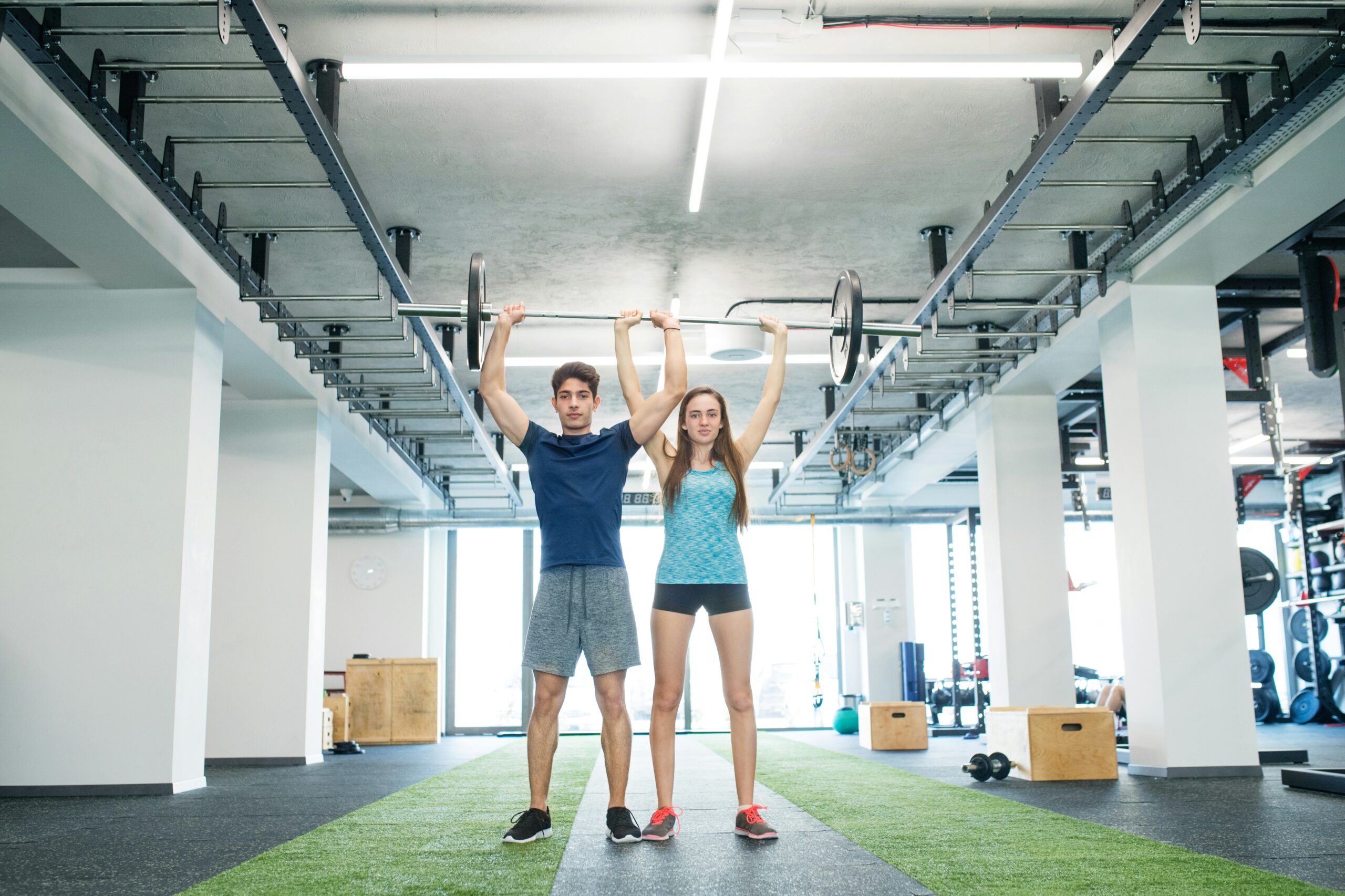
For sports enthusiasts, maintaining peak performance often starts at home. A well-equipped home gym provides the space and tools necessary to stay in shape, refine skills, and build strength, all without leaving the house. Whether your goal is improving endurance, increasing power, or simply staying active, selecting the right equipment is key. A home gym tailored to your needs can enhance your workouts, boost motivation, and let you train effectively on your own schedule.
Strength Training Essentials
Strength training forms the foundation of any effective home gym. Free weights such as dumbbells and kettlebells allow athletes to target multiple muscle groups and perform a variety of exercises. These tools are versatile, offering options for compound movements that engage the entire body and isolated exercises that strengthen specific areas. By incorporating free weights into daily routines, enthusiasts can improve muscle tone, enhance power, and reduce the risk of injury through balanced development.
Resistance bands also play an important role in strength training. These lightweight tools provide adjustable resistance, making them ideal for beginners and advanced users alike. Resistance bands allow for controlled movements that target muscles efficiently while also supporting flexibility and mobility. Integrating bands alongside traditional weights creates a dynamic approach to strength training that maximizes results without requiring extensive space or costly equipment.
Cardio and Endurance Equipment
Cardiovascular fitness is essential for athletes in all sports, and having the right equipment at home ensures consistent training. Treadmills and stationary bikes offer convenient ways to improve endurance while maintaining joint safety. They allow users to adjust speed and resistance to match fitness levels and training goals, providing variety and challenge in daily workouts. Consistent cardio training enhances stamina, supports heart health, and improves overall athletic performance.
Jump ropes and agility ladders are excellent alternatives for high-intensity cardio that also improve coordination and reflexes. They require minimal space while offering effective workouts that target multiple fitness components. By incorporating both traditional cardio machines and portable tools, sports enthusiasts can maintain a balanced training routine that supports endurance, speed, and agility without relying on outdoor conditions or gym memberships.
Functional Training Tools
Functional training emphasizes movements that mimic real-life actions, which is particularly valuable for athletes seeking to improve performance in specific sports. Medicine balls, sandbags, and stability balls allow for exercises that enhance core strength, balance, and coordination. These tools enable dynamic workouts that replicate the demands of sports, making training more practical and effective.
Additionally, tools like foam rollers and balance boards contribute to functional fitness by improving flexibility and proprioception. Foam rolling helps alleviate muscle tension and supports recovery, while balance boards challenge stability and reinforce control during athletic movements. Incorporating these tools into a home gym routine ensures that training addresses both strength and functional performance, creating a comprehensive approach to physical conditioning.
Recovery and Flexibility Equipment
Recovery is just as important as active training, and having the right equipment at home facilitates faster, safer improvement. Foam rollers, massage sticks, and resistance bands support muscle recovery by promoting blood flow and reducing soreness. By integrating recovery routines into daily workouts, athletes can maintain flexibility, prevent injury, and improve overall performance.
Yoga mats and stretching straps further enhance flexibility and joint mobility. Regular stretching increases range of motion, supports proper posture, and reduces the risk of overuse injuries. By combining recovery and flexibility tools with active training, sports enthusiasts can achieve a balanced approach that strengthens muscles while supporting long-term health and athletic longevity.
Technology and Tracking Devices
In the modern home gym, technology plays a key role in optimizing performance. Fitness trackers, smartwatches, and heart rate monitors provide real-time feedback, helping athletes measure progress, track intensity, and adjust workouts as needed. These devices offer motivation through tangible metrics, allowing enthusiasts to challenge themselves while monitoring improvements over time.
Streaming services and interactive apps also enhance home gym experiences. Virtual trainers, guided workouts, and on-demand classes provide structure and instruction, ensuring proper form and technique. Technology enables access to professional-quality guidance without leaving home, making training more effective, enjoyable, and consistent. By combining physical tools with digital resources, sports enthusiasts can create a high-performance home gym tailored to their goals.
Storage and Organization Solutions
A functional home gym requires efficient storage and organization to maximize space and accessibility. Weight racks, wall-mounted hooks, and shelving units keep equipment orderly and safe. Organized spaces reduce clutter, prevent accidents, and make it easier to switch between exercises without disruption. Maintaining a tidy gym environment also promotes consistency by creating a space that feels inviting and motivating for daily workouts.
Storage solutions also extend the equipment’s lifespan. Proper placement of weights, bands, and machines prevents damage and ensures that tools remain in optimal condition. By combining organization with thoughtful design, sports enthusiasts can maintain a home gym that supports regular training, encourages efficiency, and enhances the overall workout experience.
Building a home gym tailored to the needs of sports enthusiasts requires a thoughtful combination of strength, cardio, functional, recovery, and technology tools. Free weights, resistance bands, cardio machines, and agility equipment provide the foundation for diverse and effective workouts. Functional training tools enhance sport-specific movements, while recovery and flexibility equipment support muscle health and longevity. Technology helps track performance and guide routines, and storage solutions ensure a safe, organized environment.
By carefully selecting and integrating these items, sports enthusiasts can create a home gym that supports comprehensive training and encourages consistent progress. With the right tools and a dedicated approach, workouts become more productive, engaging, and enjoyable. A well-equipped home gym not only improves physical performance but also empowers athletes to maintain discipline, achieve goals, and embrace their passion for sports every day.