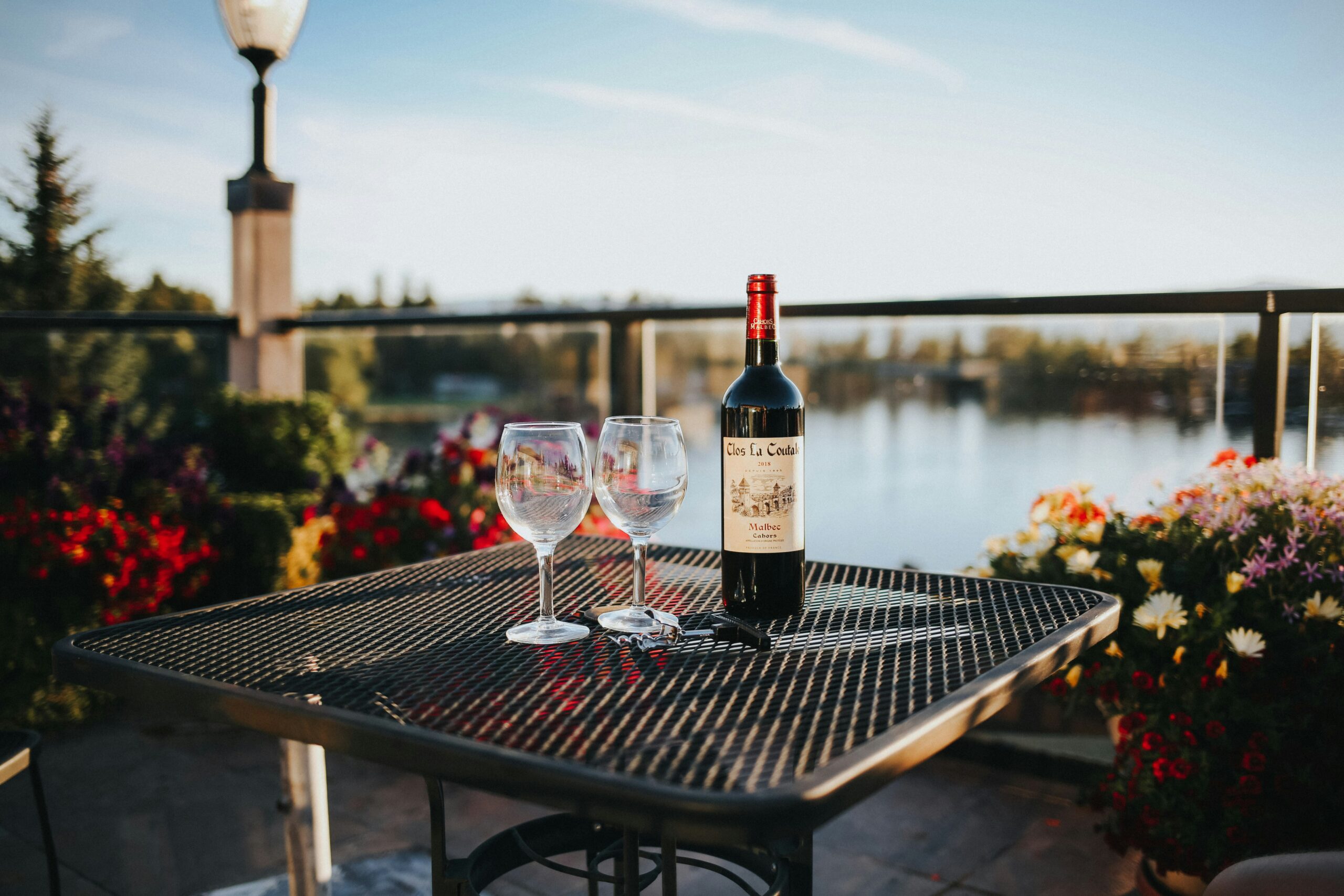
Understanding wine labels is one of the most valuable skills for anyone who wants to buy a great bottle with confidence. Because labels often contain unfamiliar terms, regional references, and stylistic clues, many shoppers feel overwhelmed before they even choose a wine.
However, once you learn how to read these details, you can better identify quality, understand flavor expectations, and make informed decisions that fit your taste and budget.
The Importance of Reading Wine Labels
Wine labels serve as a bridge between the winery and the buyer, offering essential information that shapes your expectations before you take your first sip. Although bottles vary in style and branding, most labels provide clear indicators of grape variety, origin, alcohol level, and producer identity. These elements help shoppers predict flavor, body, and aroma.
Because labels reveal how a wine was made and where it comes from, they act as valuable tools for choosing the right bottle. When you understand these cues, you avoid guesswork and instead focus on wines that match your preferred style. Strong knowledge of wine labels ultimately leads to more enjoyable purchases and a deeper appreciation for the craftsmanship behind each bottle.
Key Terms Found on Wine Labels
Many consumers hesitate when they encounter unfamiliar terminology on wine labels, yet most of these terms are simpler than they appear. Words like varietal, appellation, and vintage describe essential components of the wine’s identity. When you understand their meanings, you gain confidence in selecting bottles that align with your flavor preferences.
Varietals indicate the grape type, while appellations reveal geographic origins, each influencing taste in unique ways. Vintage tells you the year the grapes were harvested, helping you compare wines from different seasons. Mastering these basics allows you to evaluate any bottle more accurately, regardless of brand or region.
How Regions Influence Wine Labels
Wine labels often highlight the geographic region because climate, soil, and growing conditions shape the final flavor profile. When a label lists a well-known region, it signals distinct characteristics associated with that area’s winemaking traditions. As a result, recognizing regional names helps you anticipate whether a wine will be bold, light, earthy, or fruity.
Understanding regional influence also helps shoppers find consistency across different producers. For instance, wines from cooler climates tend to have higher acidity, while those from warmer regions often yield fuller, more decadent flavors. Because these patterns hold across many vineyards, regional knowledge makes label reading more intuitive and reliable.
Identifying Quality Indicators on Wine Labels
Wine labels sometimes display terms that point to higher production standards or unique methods. Words like reserve, estate-bottled, or barrel-aged indicate specific approaches that may enhance complexity and depth. Although these terms vary by country, they generally help identify wines crafted with extra care.
Quality indicators also reveal how involved the winery is in the growing and production process. Estate or single-vineyard labels suggest stronger control over grape quality. When buyers understand these details, they can compare wines more effectively and choose options that deliver better value for their price.
Decoding Vintage and Non-Vintage Wines
Vintage dates provide insight into the conditions of a particular growing season, which can significantly influence flavor and balance. Because climate affects grape ripeness, some years yield better results than others. When you recognize standout vintages from various regions, you gain an advantage in selecting superior wines.
Non-vintage wines blend grapes from multiple years to achieve consistency. This approach is common in sparkling wines and ensures a reliable flavor profile. Both vintage and non-vintage labels offer helpful information, and understanding the differences helps shoppers choose wines that fit their tastes and occasions.
Alcohol Content and What It Tells You
Alcohol by volume, often abbreviated as ABV, appears on nearly every wine label. Although it seems like a minor detail, it provides clues about body and intensity. Wines with higher ABV generally feel fuller and richer, while lower-ABV wines tend to taste lighter and more refreshing.
Recognizing how alcohol content influences style helps consumers match wines to food, season, or personal preference. Because ABV is consistent across the industry, it acts as a dependable indicator when comparing multiple bottles on the shelf.
Label Design and Marketing Influences
While wine labels are informative, they also serve as powerful marketing tools. Attractive fonts, illustrations, and colors can influence purchasing decisions before shoppers read any details. Although visual appeal adds charm, relying solely on design may lead to choices that do not match your taste.
Understanding the difference between marketing and meaningful information allows buyers to evaluate wine more critically. When you focus on the key details rather than the label artwork, you make decisions that reflect your valid preferences rather than branding trends.
Choosing the Right Wine for Your Taste
Once you understand how to read wine labels, selecting the right bottle becomes smoother and more enjoyable. Because labels outline the core elements of origin, grape type, and production style, they help you align expectations with reality. As your knowledge expands, you develop the ability to compare wines with confidence.
This level of understanding also improves your ability to explore new varieties without uncertainty. Since labels reveal so much about flavor and structure, they guide you toward styles you are likely to enjoy. Over time, reading wine labels becomes second nature, and your selections feel more intentional and rewarding.
How Understanding Wine Labels Enhances the Buying Experience
Consumers who understand wine labels feel more empowered when navigating shelves or restaurant menus. Instead of relying solely on price or packaging, they can identify meaningful differences between bottles. This knowledge makes shopping more engaging and enjoyable.
Furthermore, label literacy encourages experimentation. When buyers understand what each term represents, they feel more comfortable trying unfamiliar wines from new regions. Because this opens the door to unique flavors, it creates a richer, more fulfilling journey from grapes to glass.