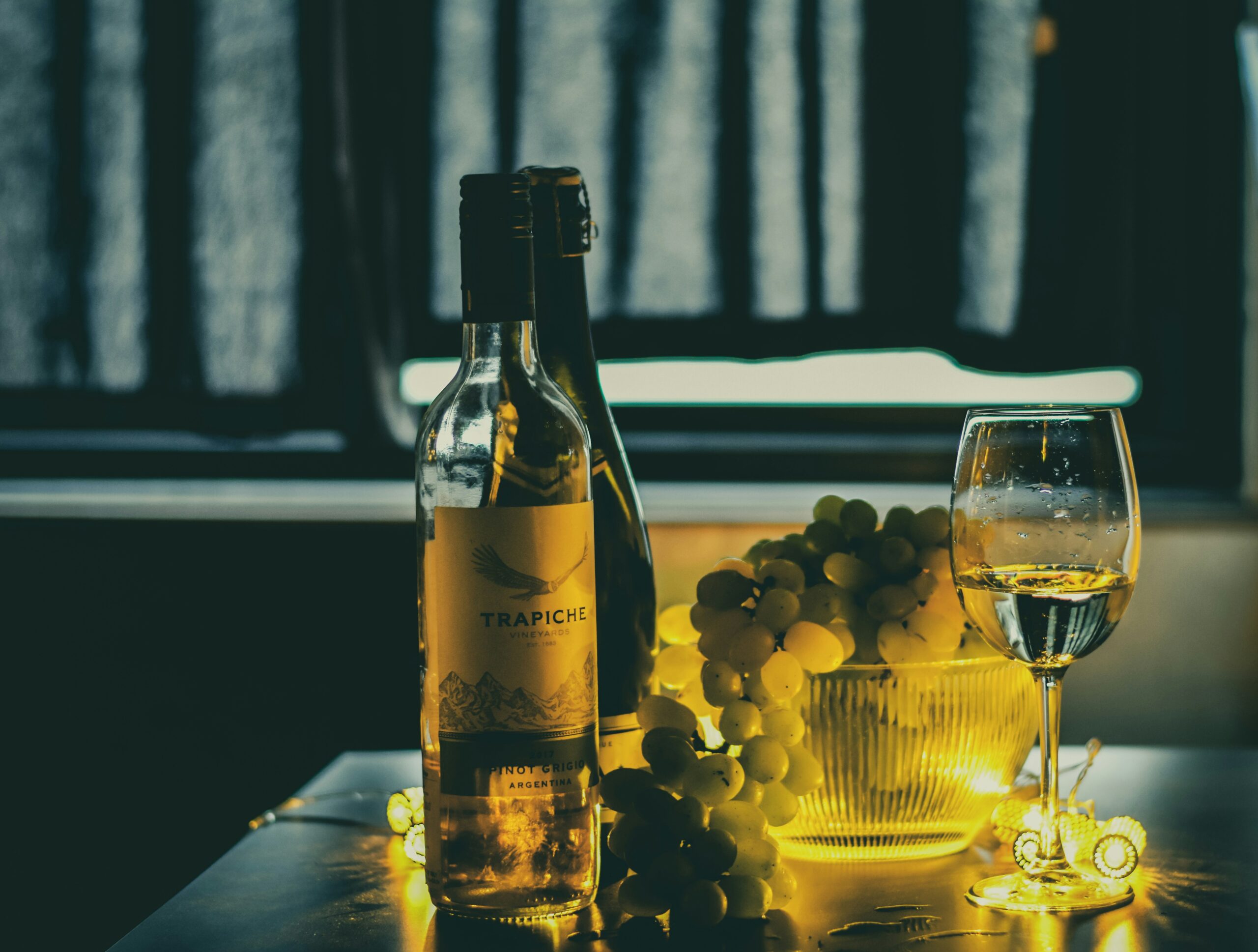
Wine can seem complex at first. However, it becomes simple once you understand a few core ideas. In this guide, Wine Basics Explained will help you learn how wine is made, how it tastes, and how to choose the right bottle. Whether you are new to wine or want a clear overview, this starter guide will walk you through each step in plain language.
Wine Basics Explained focuses on the essentials. You will learn about grapes, regions, styles, and tasting. In addition, you will discover how to pair wine with food and how to store it at home. By the end, you will feel more confident when shopping or ordering wine.
What Is Wine and How Is It Made
At its core, wine comes from fermented grapes. Winemakers crush fresh grapes and allow the juice to ferment. During fermentation, yeast turns natural sugar into alcohol. As a result, grape juice becomes wine.
Although the process sounds simple, many small choices shape the final taste. For example, the type of grape matters a lot. Climate also plays a key role. In warmer places, grapes ripen more and create richer flavors. In cooler areas, grapes keep more acidity and taste fresher.
Winemakers also decide how long to ferment the juice. Sometimes they age wine in oak barrels. Oak adds flavors such as vanilla, spice, and toast. On the other hand, stainless steel tanks keep flavors clean and bright. Therefore, even small changes can affect the final style.
Wine Basics Explained shows that wine is both science and art. Each bottle reflects nature and the winemaker’s choices.
Main Types of Wine
When people start learning about wine, they often ask about types. In simple terms, there are a few main styles.
Red wine comes from dark grapes. During fermentation, the grape skins stay in contact with the juice. As a result of this contact, red wine develops color and tannins. Tannins create a dry feeling in your mouth. Popular red grapes include Cabernet Sauvignon, Merlot, and Pinot Noir.
White wine usually comes from green grapes. However, some white wines also come from dark grapes with the skins removed. Without skin contact, the wine stays pale. White wines often taste crisp and fresh. Common white grapes include Chardonnay, Sauvignon Blanc, and Riesling.
Rosé wine falls between red and white. Winemakers allow brief skin contact, which makes the wine turn pink. Rosé often tastes light and fruity. It works well in warm weather.
Sparkling wine contains bubbles. Winemakers trap carbon dioxide during fermentation. As a result, the wine becomes fizzy. Champagne is a famous example, but many regions produce sparkling wine.
Wine Basics Explained helps beginners see that each type offers a different experience. Therefore, trying several styles can help you learn what you like.
Understanding Grape Varieties
Grape variety shapes flavor more than any other factor. Each grape has its own character. For instance, Cabernet Sauvignon often tastes bold and dark. It may show notes of black cherry, plum, and spice. In contrast, Pinot Noir tastes lighter and more delicate. It may remind you of red berries and earth.
White grapes also differ. Chardonnay can taste creamy and rich, especially when aged in oak. Meanwhile, Sauvignon Blanc often tastes zesty and fresh, with hints of citrus or green herbs.
Wine Basics Explained encourages you to focus on grape names when you shop. In the United States, many bottles list the main grape on the label. Therefore, once you find a grape you enjoy, you can look for it again.
How to Taste Wine Like a Beginner
Tasting wine does not require special skills. However, paying attention can improve your experience.
First, look at the wine in your glass. Notice the color and clarity. Red wines can range from light ruby to deep purple. White wines can appear pale yellow or golden.
Next, swirl the glass gently. This step releases aromas. Then, smell the wine. Try to notice fruit, spice, or floral scents. Although it may feel awkward at first, practice makes it easier.
Finally, take a small sip. Let the wine move across your tongue. Think about sweetness, acidity, tannins, and body. Body refers to how heavy the wine feels in your mouth. Some wines feel light like water, while others feel rich and full.
Wine Basics Explained reminds you that there are no wrong answers. Your taste matters most. Therefore, trust your own impressions.
The Role of Acidity, Tannins, and Sweetness
To understand flavor, you need to know a few key terms. Acidity gives wine freshness. It makes your mouth water. Wines with high acidity often taste crisp and lively.
Tannins appear mostly in red wine. They create a dry sensation on your gums. While strong tannins can feel firm, they soften with age. As a result, older red wines often taste smoother.
Sweetness comes from leftover sugar. Some wines taste completely dry, meaning they have little sugar. Others taste sweet and rich. Riesling, for example, can range from dry to sweet depending on how it is made.
Wine Basics Explained highlights balance. A good wine balances acidity, tannins, sweetness, and alcohol. When these parts work together, the wine tastes smooth and pleasing.
Choosing Wine at a Store or Restaurant
Choosing wine may feel stressful at first. However, a simple approach can help.
Start by thinking about what you enjoy. If you like bold flavors, you may prefer Cabernet Sauvignon. If you enjoy light and fresh drinks, Sauvignon Blanc may suit you better. In addition, consider the occasion. A casual dinner may call for a simple, easy wine. A celebration may call for sparkling wine.
At a restaurant, you can ask the server for advice. Tell them what you usually drink. Most staff want to help. Therefore, do not hesitate to ask questions.
Wine Basics Explained teaches that price does not always equal quality. Many affordable wines taste excellent. So explore different regions and producers.
Pairing Wine with Food
Food and wine can enhance each other. However, simple guidelines work best for beginners.
Red wine often pairs well with red meat. The tannins in red wine soften when matched with rich foods. As a result, both the wine and the dish taste better.
White wine pairs nicely with fish, chicken, and salads. Its acidity cuts through lighter dishes and adds brightness.
Sweet wine can match spicy food. The sweetness balances the heat. Meanwhile, sparkling wine works with many foods because its bubbles cleanse the palate.
Wine Basics Explained suggests experimenting at home. Try different combinations and notice what works for you. Over time, you will develop your own pairing style.
Storing and Serving Wine
Proper storage helps wine stay fresh. Keep bottles in a cool, dark place. Heat and light can damage wine. In addition, store bottles on their side if they have corks. This step keeps the cork moist.
Before serving, check the temperature. Red wine tastes best slightly below room temperature. White and sparkling wines taste best chilled. However, avoid serving them too cold, as extreme cold can hide flavors.
Wine Basics Explained shows that small details can improve your experience. With the right storage and serving, even a simple bottle can shine.