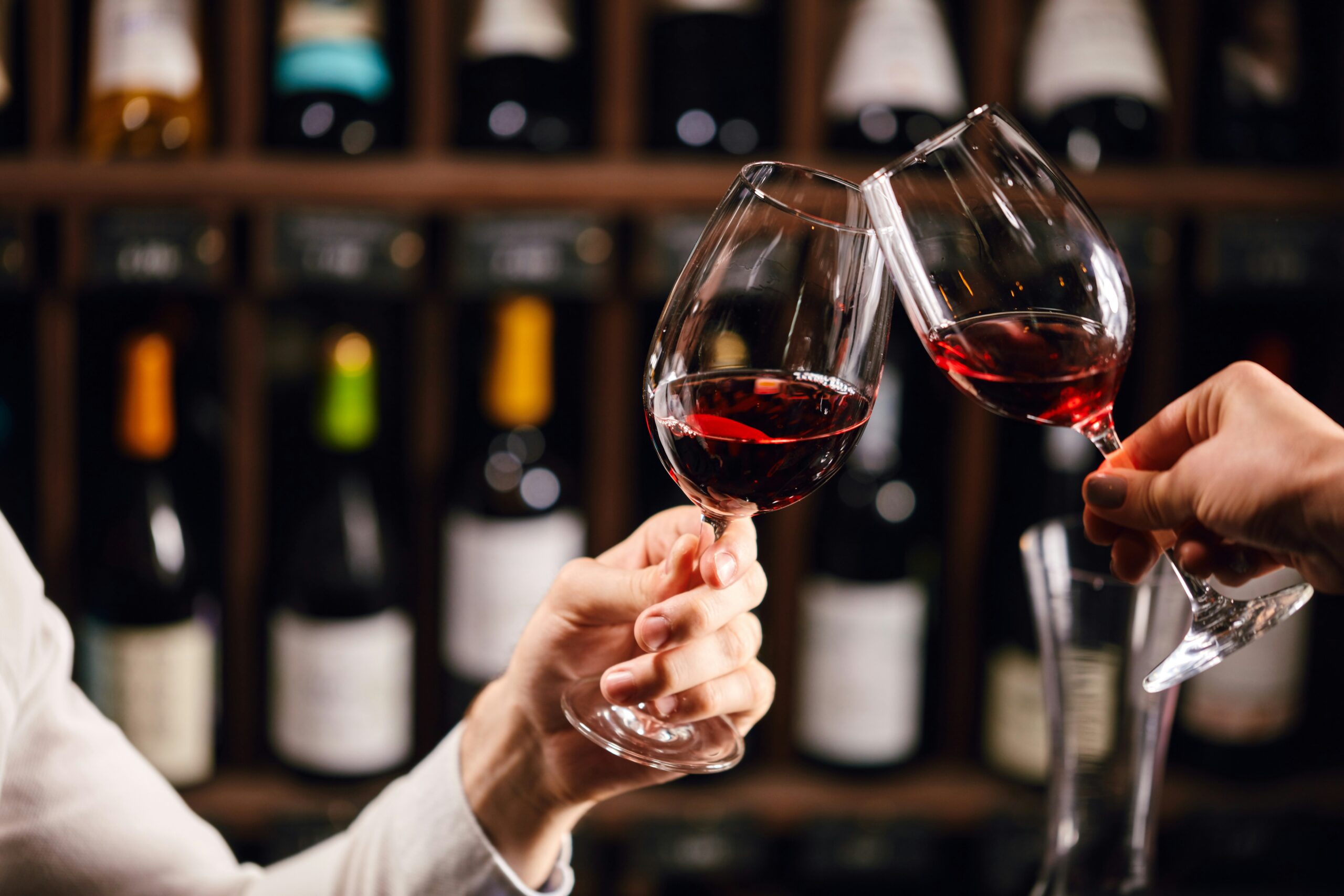
Wine lingo helps you explain what you like and why you like it. When you learn simple wine terms, you gain confidence at dinner parties, restaurants, and wineries. Instead of feeling unsure, you can describe flavors, textures, and aromas with ease. As a result, you enjoy each glass more because you understand what you experience.
Wine lingo improves your overall Wine Tasting skills. When you know the right words, you pay closer attention to smell, taste, and texture. Therefore, you train your senses while you build your vocabulary. Over time, Wine Tasting becomes more enjoyable, and you feel more comfortable sharing your thoughts with others.
Aroma and Bouquet
Aroma refers to the smell of a young wine, while bouquet describes the complex scents that develop as wine ages. When you swirl your glass, the movement releases these scents into the air. Then, you can gently inhale and notice fruit, floral, or spice notes. This step plays a key role in Wine Tasting because smell strongly affects flavor.
Moreover, paying attention to aroma helps you identify grape types and wine styles. For example, a white wine may smell like green apple or citrus, while a red wine may offer cherry or blackberry notes. As you practice Wine Tasting, you begin to recognize patterns in these scents. Consequently, you can predict how the wine might taste before you even take a sip.
Body and Texture
Body describes how heavy or light a wine feels in your mouth. A light-bodied wine feels similar to water, while a full-bodied wine feels richer, like cream. This sensation depends on alcohol level, grape type, and winemaking methods. During Wine Tasting, noticing the body helps you understand the wine’s structure.
Texture also matters because it shapes your overall impression. Some wines feel smooth and silky, while others feel firm or slightly rough. Tannins in red wine often create a drying sensation on your gums. Therefore, when you focus on body and texture, you develop a deeper awareness of how wine interacts with your palate.
Sweetness and Acidity
Sweetness refers to the amount of sugar left in the wine after fermentation. A dry wine contains very little sugar, while a sweet wine tastes noticeably sugary. However, many beginners confuse fruity flavors with sweetness. Even if a wine smells like ripe peaches, it can still taste dry. This distinction becomes clear as you gain more experience with Wine Tasting.
Acidity, on the other hand, gives wine its fresh and crisp character. High-acid wines taste bright and lively, similar to a squeeze of lemon. Because acidity balances sweetness and alcohol, it keeps wine from tasting flat. As you continue Wine Tasting, you will notice how acidity makes certain wines refreshing and food-friendly.
Tannins and Structure
Tannins come mainly from grape skins and oak barrels. They create a dry feeling in your mouth, especially in red wines. When you drink a bold red wine, you may feel your cheeks tighten slightly. This reaction shows the presence of tannins. Understanding tannins improves your wine-tasting skills by helping you identify texture and balance.
Structure refers to how tannins, acidity, alcohol, sweetness, and body work together. A well-structured wine feels balanced and smooth. However, if one element overpowers the others, the wine may taste harsh or unbalanced. Therefore, during Wine Tasting, consider how each component blends to create a complete experience.
Flavor Profiles and Finish
Flavor profiles describe the main tastes you detect in wine. These may include fruit, spice, floral, herbal, or earthy notes. For example, a red wine may show flavors of plum and black pepper, while a white wine may reveal hints of pear and citrus. Because every grape variety has unique traits, flavor profiles help you recognize different styles.
The finish refers to how long the taste remains after you swallow. A short finish fades quickly, while a long finish lingers pleasantly. In Wine Tasting, the finish often signals quality because well-made wines leave a lasting impression. Consequently, paying attention to the finish helps you evaluate wine more thoughtfully.
Building Confidence in Wine Tasting
Confidence grows with practice and curiosity. When you taste wine regularly, you train your senses and expand your wine vocabulary. Instead of memorizing complex terms, focus on simple descriptions that feel natural to you. Gradually, you will find it easier to express your thoughts during Wine Tasting conversations.
Furthermore, trust your own preferences and reactions. Everyone experiences flavor differently, so your opinion matters. As you continue exploring new bottles, your understanding deepens, and your confidence strengthens. In time, Wine Tasting becomes less about rules and more about enjoyment, discovery, and shared experiences.