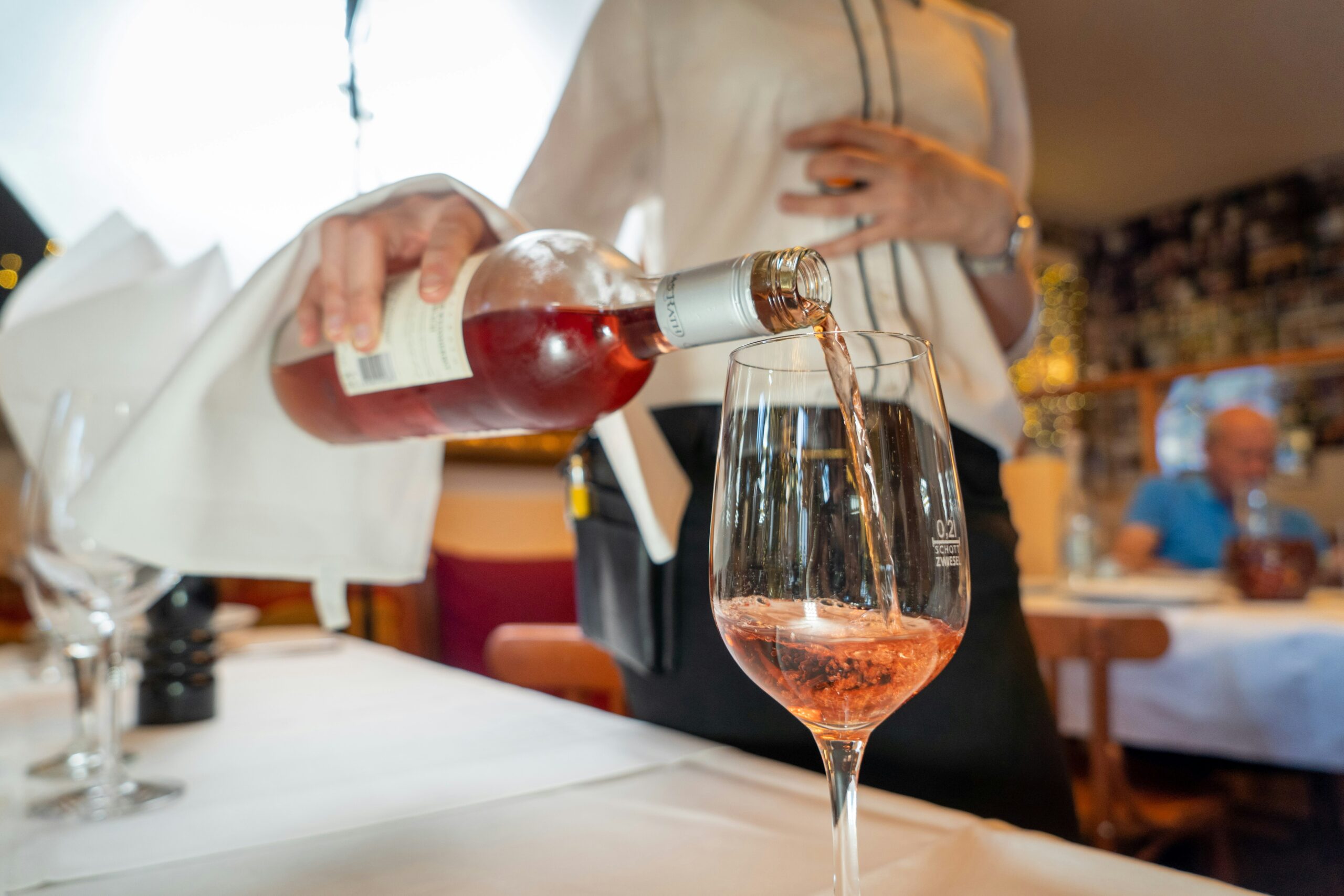
Wine offers an incredible range of colors, flavors, and experiences. Red, white, and rosé wines remain among the most popular choices worldwide. Although these wines share a common starting point, their production methods create distinct characteristics. From the grapes selected to the time spent during fermentation, each decision shapes the final product. Understanding these differences helps wine lovers appreciate the care and creativity involved in winemaking.
The differences between red, white, and rosé wine extend beyond appearance. Each style develops its own balance of flavor, acidity, texture, and aroma. Winemakers use different techniques to bring out these qualities. Some focus on bold flavors and rich textures, while others aim for freshness and delicate fruit notes. Exploring these methods reveals why wines made from similar grapes can taste remarkably different.
How Grape Selection Influences Wine Production
Grape selection forms the foundation of every wine. Different grape varieties contain unique levels of sugar, acidity, and natural flavor compounds. These qualities influence how the wine tastes after fermentation. Red wines commonly come from dark-skinned grapes such as Cabernet Sauvignon, Merlot, and Pinot Noir. White wines often use Chardonnay, Sauvignon Blanc, or Riesling. Rosé wines frequently begin with red grape varieties, including Grenache, Syrah, and Pinot Noir. However, winemakers can use many other grapes depending on regional traditions and production goals.
The growing environment also affects grape quality. Sunlight, rainfall, temperature, and soil conditions influence how grapes develop throughout the season. Warm climates often produce grapes with higher sugar levels and ripe fruit flavors. Cooler regions may produce grapes with brighter acidity and more delicate aromas. Winemakers consider these natural differences when deciding which grapes will create the desired wine style. Careful harvesting helps preserve the qualities needed for successful fermentation.
Why Grape Skin Contact Determines Wine Color
One of the most important differences between red, white, and rosé wine involves grape skins. Most wine grapes contain juice that appears nearly clear. The color of the finished wine largely depends on how long the juice remains in contact with the skins. During red wine production, winemakers keep the skins with the juice as fermentation begins. This contact releases natural pigments that create shades ranging from bright ruby to deep purple. Longer contact can also increase the wine’s texture and intensity.
White wine production usually follows a different method. Winemakers separate the juice from the skins before fermentation to preserve a lighter appearance and cleaner flavor. Rosé wine requires a shorter period of skin contact with red grapes. This limited exposure creates its familiar pink color. Depending on the grape variety and production method, rosé may appear pale salmon, soft pink, or bright raspberry. These color differences reflect production choices rather than sweetness levels.
How Fermentation Creates Distinct Wine Flavors
Fermentation transforms grape juice into wine through a natural biological process. Yeast consumes sugar and produces alcohol, carbon dioxide, and compounds that contribute to aroma and flavor. Winemakers guide this process by managing temperature, oxygen exposure, and fermentation conditions. These choices influence how the finished wine expresses its fruit characteristics. Even grapes from the same vineyard can produce different results when winemakers use different fermentation methods.
Red wines often ferment at warmer temperatures because heat supports the release of color and tannins from grape skins. White wines commonly ferment at cooler temperatures to protect delicate aromas. Rosé wines frequently follow similar temperature practices to white wines. However, there is no single temperature that suits every grape or wine style. Winemakers adjust their approach to achieve the desired balance of fruit, freshness, and texture. Careful monitoring also helps prevent unwanted flavors during production.
The Role of Aging in Developing Wine Character
Aging influences how wine changes after fermentation. Some wines reach their desired character quickly, while others benefit from additional time. Red wines often undergo aging to soften their texture and develop more complex flavors. Oak barrels can introduce subtle notes of spice, vanilla, or toasted wood. They also allow small amounts of oxygen to interact with the wine. However, not every red wine requires oak aging. Many producers prefer neutral containers that preserve fresh fruit flavors.
White wines can also develop through aging, although the methods vary. Stainless steel tanks often help maintain bright acidity and clean aromas. Oak barrels may contribute richness and a smoother mouthfeel. Most rosé wines are intended for early enjoyment because producers emphasize freshness and lively fruit flavors. Nevertheless, some carefully made rosé wines can age successfully. The ideal aging method depends on the grape variety, wine structure, and intended drinking experience.
How Red, White, and Rosé Wines Differ in Taste
Red wines commonly feature flavors associated with cherries, berries, plums, and darker fruits. Their tannins create a noticeable texture that can range from soft to firm. Some red wines also develop earthy or spicy characteristics. White wines often highlight citrus, apple, pear, peach, or tropical fruit flavors. Their acidity can create a crisp and refreshing sensation. However, certain white wines offer richer textures and deeper flavors depending on fermentation and aging methods.
Rosé wines often provide a balance of fresh fruit flavors and lively acidity. Depending on the grape variety, they may feature strawberry, raspberry, watermelon, or citrus notes. Their lighter structure makes them approachable for many occasions. Importantly, wine color does not determine sweetness. Red, white, and rosé wines can all be dry or sweet. Sugar levels, grape ripeness, and fermentation choices influence sweetness more directly than appearance.
Why Food Pairing Depends on Wine Structure
Understanding wine production can make food pairing more enjoyable. Red wines with firm tannins often complement rich foods because their structure balances the weight of the meal. Lighter reds may work well with roasted vegetables, poultry, or dishes with earthy flavors. White wines with bright acidity often pair with seafood, salads, and lighter preparations. Fuller white wines may complement creamy sauces, roasted chicken, or richer dishes.
Rosé offers flexibility because its flavor and structure fall across a broad range. Crisp rosé wines can complement grilled vegetables, seafood, and fresh summer meals. Richer versions may work well with roasted meats or dishes featuring herbs and spices. However, personal taste matters more than strict pairing traditions. Exploring different combinations helps people discover which flavors they enjoy together. The best pairing creates balance without allowing either the food or wine to overwhelm the other.
Appreciating the Craft Behind Every Wine Style
Red, white, and rosé wines demonstrate how production choices can transform grapes into remarkably different beverages. Skin contact creates important differences in color and texture. Fermentation methods influence aroma and flavor, while aging decisions shape complexity and mouthfeel. Each stage requires careful attention because small changes can affect the final result. Winemakers combine traditional knowledge with practical experience to create wines that reflect their grapes and production goals.
Learning about these methods adds another dimension to wine appreciation. Instead of choosing wine based only on color, consumers can consider grape variety, fermentation, aging, and flavor preferences. A bold red, crisp white, or refreshing rosé can each offer a memorable experience. Ultimately, the diversity of winemaking shows how one agricultural product can produce countless expressions of flavor, craftsmanship, and regional character.