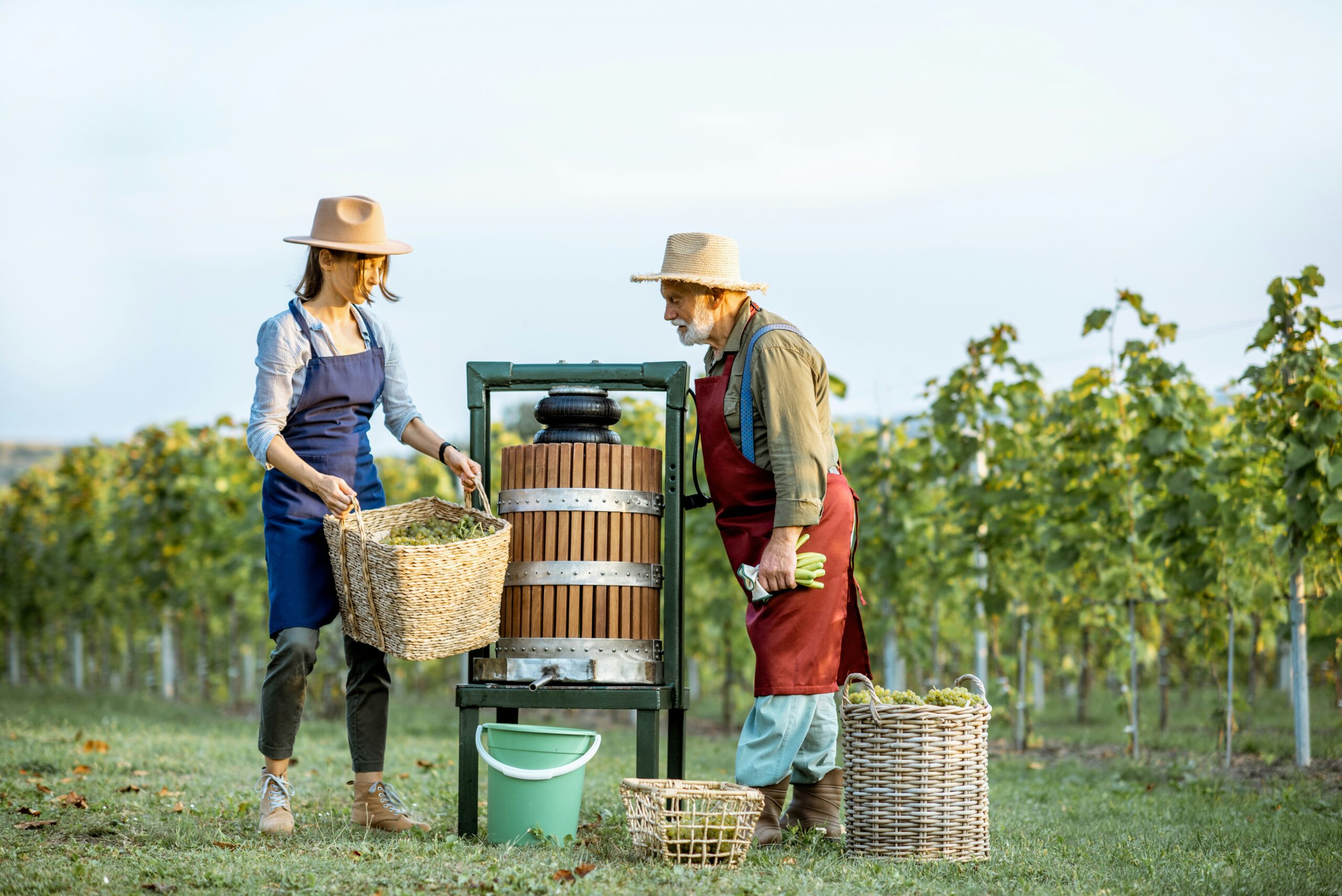
The Wine World is growing fast and introducing countless new voices who are reshaping how people understand flavor, farming, and culture. These innovators rise from small vineyards, remote hillsides, and family farms, yet they carry a level of passion that rivals that of long-established creators. Although many traditional names still lead the industry, this growing group of new thinkers brings a fresh spirit. They explore unique techniques, revive forgotten grapes, and challenge limits that once felt untouchable. As a result, the Wine World becomes richer, more diverse, and more inviting to people who appreciate creativity.
As more drinkers search for authenticity, these rising talents gain attention. They share stories that connect land, community, and personal vision. They help reshape a field that once felt limited. Their presence builds energy that flows into tasting rooms, digital platforms, and global markets. Above all, they make the Wine World feel approachable. Their openness inspires newcomers to try new bottles and ask meaningful questions. This connection strengthens the future of wine culture.
Why Fresh Voices Matter to Wine Culture
New voices introduce fresh ideas that challenge long-held beliefs about how wine should look, taste, and age. They show that exploration leads to growth. Their styles often blend science and art, which creates bold flavors that appeal to curious drinkers. Many of these new creators bring cultural influences that enrich the Wine World. Their backgrounds shape unique blends and farming styles. With every bottle, they share history and identity. This influence adds dimension to the global conversation about wine.
Furthermore, these thinkers connect directly with modern audiences. They understand social media, storytelling, and consumer curiosity. They speak openly about success and struggle. These honest conversations encourage trust and loyalty. Transitioning from old customs to modern habits feels easier when guided by people who communicate clearly. The Wine World benefits from these bridges because they bring tradition and innovation closer together.
Innovation Begins with the Soil
The most meaningful changes often start before grapes reach the winery. Young growers study their soil and climate with precision. They use natural techniques that support long-term health and limit chemical dependence. Many choose regenerative and organic methods to preserve biodiversity. They also rely on data tools that track moisture, sunlight, and vine stress. These choices lead to cleaner, brighter flavors that reflect the land.
Technology supports these new approaches. Sensors and mapping tools reduce waste, which protects the environment. These growers maintain close relationships with their vineyards, learning how to adjust their practices as the weather shifts. Because climate change affects the Wine World daily, these methods also safeguard future harvests. Their efforts prove that sustainable farming does not weaken quality. Instead, it strengthens potential and expands flavor ranges.
Rare Grapes Gain a Powerful Return
As trends shift, lesser-known grape varieties return to the spotlight and attract curious drinkers. New winemakers bring these grapes back by exploring old vineyards or planting varieties that nearly disappeared. These grapes tell stories of culture, climate, and resilience. They create flavors that feel new, even though some of their roots go back centuries. This revival excites adventurers who seek something beyond common blends.
The renewed interest also supports biodiversity. Growing a wide variety of plants protects vineyards when weather challenges arise. New creators highlight why diversity matters. They help educate the Wine World about flavor potential that has often been ignored. Even retailers now showcase rare grapes more proudly. This shift reveals how powerful curiosity can be. When people explore new tastes, they expand their understanding of wine as a culture, not just a beverage.
Sustainability Shapes Every New Direction
Sustainability is a major influence on this generation of winemakers. They choose lighter packaging, cleaner energy sources, and water-saving methods. Many rely on solar power and natural pest control. Others design wineries that blend into the environment and feature low-waste systems. Their decisions reflect a commitment to the planet and the people who depend on it.
This movement also shapes how consumers choose bottles. Buyers now read labels carefully and ask questions about farming practices. They want transparency, and new creators offer it. Since the Wine World relies on healthy land, many businesses see sustainability as a long-term investment. These changes create a cycle where responsible choices earn support, and support fuels further innovation. Because of these efforts, the future of wine feels more balanced and hopeful.
Digital Connections Expand Winemakers’ Reach
Technology plays a major role in how new creators connect with audiences. Social media allows them to share daily vineyard life, flavor notes, and behind-the-scenes processes. People appreciate these real stories because they make wine feel friendly and inclusive. Online tastings, short videos, and digital tours help customers form deeper connections.
These digital tools give small producers global reach. They no longer depend only on large distributors. Instead, they share their vision directly with drinkers who love their work. Because communication happens in real time, feedback becomes more meaningful. This helps shape new trends and strengthens the Wine World as a community built on accessibility and trust.
Inclusion Creates a Stronger Wine Community
Diversity grows as more women and minority winemakers bring new perspectives into the Wine World. They introduce ideas shaped by personal history and cultural understanding. Their leadership challenges barriers that once felt permanent. They also inspire future generations to join the industry. As a result, creativity expands, and communities feel more represented.
Their contributions also push brands to rethink their values. Inclusive spaces attract new audiences. People support businesses that reflect their identity. These leaders create a more open and welcoming wine culture. Their presence proves that progress leads to strength. They also show that every voice has the power to transform the Wine World for the better.