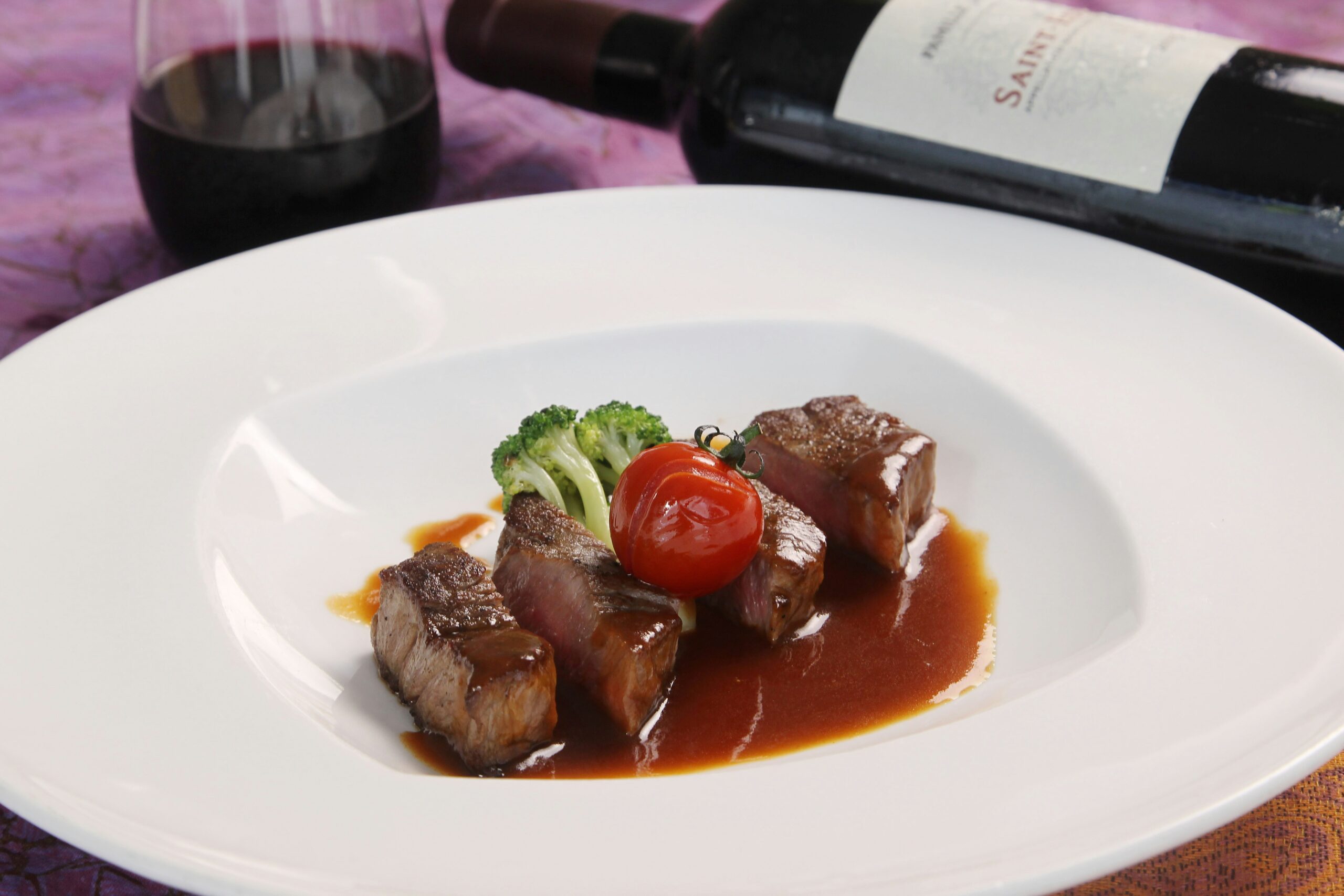
Creating the perfect dinner involves more than choosing a fine cut of meat or fresh ingredients; it requires thoughtful pairing that enhances every flavor on the plate. Matching wine to the sauce transforms an ordinary meal into an unforgettable culinary experience. While many diners focus on pairing wine with meat, sauces often define the dish’s taste and texture. Therefore, understanding how to harmonize wine with sauces allows hosts and food lovers to elevate their meals with confidence, balance, and elegance.
Why Matching Wine to the Sauce Matters
Matching wine to the sauce is essential because sauces carry the dominant flavors of most dishes. For instance, a creamy mushroom sauce delivers richness, while a tangy tomato sauce introduces acidity. Consequently, the right wine enhances these elements, creating a balanced and satisfying dining experience that pleases the palate.
Moreover, pairing wine with the sauce instead of the meat ensures harmony in every bite. Although meats provide texture and depth, sauces determine the overall taste profile. Therefore, selecting a wine that complements the sauce prevents flavor clashes and highlights both the dish and the drink.
Understanding Flavor Profiles for Perfect Pairings
To master matching wine to the sauce, one must first understand basic flavor profiles. Sweetness, acidity, saltiness, bitterness, and umami influence how wine interacts with food. As a result, recognizing these elements allows diners to choose wines that either complement or contrast the sauce effectively.
In addition, balance plays a crucial role in successful pairings. For example, acidic wines pair well with tangy sauces, while rich sauces pair well with wines with good structure. Therefore, understanding these relationships ensures a harmonious blend of flavors that enhances the overall dining experience.
Pairing Red Wines with Bold and Savory Sauces
Red wines excel when paired with bold and savory sauces due to their depth and complexity. For instance, a Cabernet Sauvignon pairs beautifully with a rich red wine reduction or a peppercorn sauce. Consequently, the wine’s tannins complement the sauce’s intensity, creating a balanced and memorable meal.
Similarly, tomato-based sauces pair well with medium-bodied red wines such as Chianti or Merlot. Because these wines have bright acidity, they pair perfectly with the tangy nature of tomatoes. As a result, the combination feels cohesive and enhances the flavors of both the dish and the wine.
Pairing White Wines with Creamy and Delicate Sauces
White wines shine when paired with creamy, delicate sauces. For example, a Chardonnay pairs elegantly with Alfredo or butter-based sauces, as its smooth texture complements the richness of the dish. Therefore, matching wine to the sauce ensures a luxurious and satisfying flavor experience.
Furthermore, lighter white wines, such as Sauvignon Blanc, pair well with citrus-infused or herb-based sauces. Because these wines offer crisp acidity and fresh aromas, they brighten delicate flavors. Consequently, they create a refreshing balance that elevates the flavors of seafood and poultry dishes.
Rosé and Sparkling Wines for Versatile Pairings
Rosé and sparkling wines offer exceptional versatility when pairing with sauces. Rosé, with its balanced acidity and subtle fruit notes, pairs well with light tomato sauces, grilled vegetables, and herb-infused dishes. As a result, it serves as a flexible choice for a wide range of meals.
Sparkling wines, on the other hand, add elegance and contrast to rich or fried dishes. Their effervescence cleanses the palate and enhances the creaminess or saltiness of sauces. Therefore, a glass of Champagne or Prosecco can transform a simple dinner into a refined culinary experience.
Matching Wine to Classic Sauces
Classic sauces provide timeless opportunities to practice matching wine to the sauce. For instance, a velvety béchamel pairs well with Chardonnay because of its creamy texture and subtle flavors. Consequently, this pairing creates a harmonious and comforting dining experience.
Likewise, a robust barbecue sauce complements bold red wines such as Zinfandel or Shiraz. Because these wines feature fruity and spicy notes, they enhance the smoky sweetness of the sauce. As a result, the pairing feels balanced and satisfying for any occasion.
Regional Pairings That Enhance Authenticity
Regional pairings offer a reliable approach to matching wine to the sauce. Traditionally, wines and dishes from the same region complement each other naturally. For example, Italian tomato sauces pair beautifully with Italian wines like Sangiovese. Therefore, these combinations create authentic and harmonious flavors.
Similarly, French cuisine provides excellent examples of regional harmony. A classic beurre blanc pairs elegantly with a crisp Loire Valley Sauvignon Blanc. Consequently, these traditional pairings showcase the culinary heritage and elevate the dining experience.
Tips for Hosting the Perfect Wine and Dinner Pairing
Hosting a memorable dinner becomes easier when you focus on matching wine to the sauce. Begin by identifying the dominant flavor of each dish, and then select a wine that complements or contrasts it effectively. As a result, guests enjoy a cohesive and delightful dining experience.
Additionally, consider offering a variety of wines to accommodate different tastes. Encourage guests to explore new combinations and discover their preferences. Therefore, thoughtful planning and creativity ensure a successful and enjoyable evening for everyone at the table.
Common Mistakes to Avoid When Pairing Wine
Even experienced hosts can make errors when matching wine to the sauce. One common mistake involves pairing wine solely with the protein rather than the sauce. However, this approach often results in mismatched flavors that diminish the dining experience.
Another mistake involves ignoring balance and intensity. A delicate wine may become overwhelmed by a rich sauce, while a bold wine can overpower lighter dishes. Therefore, selecting wines that match the sauce’s strength ensures harmony and enhances every course.