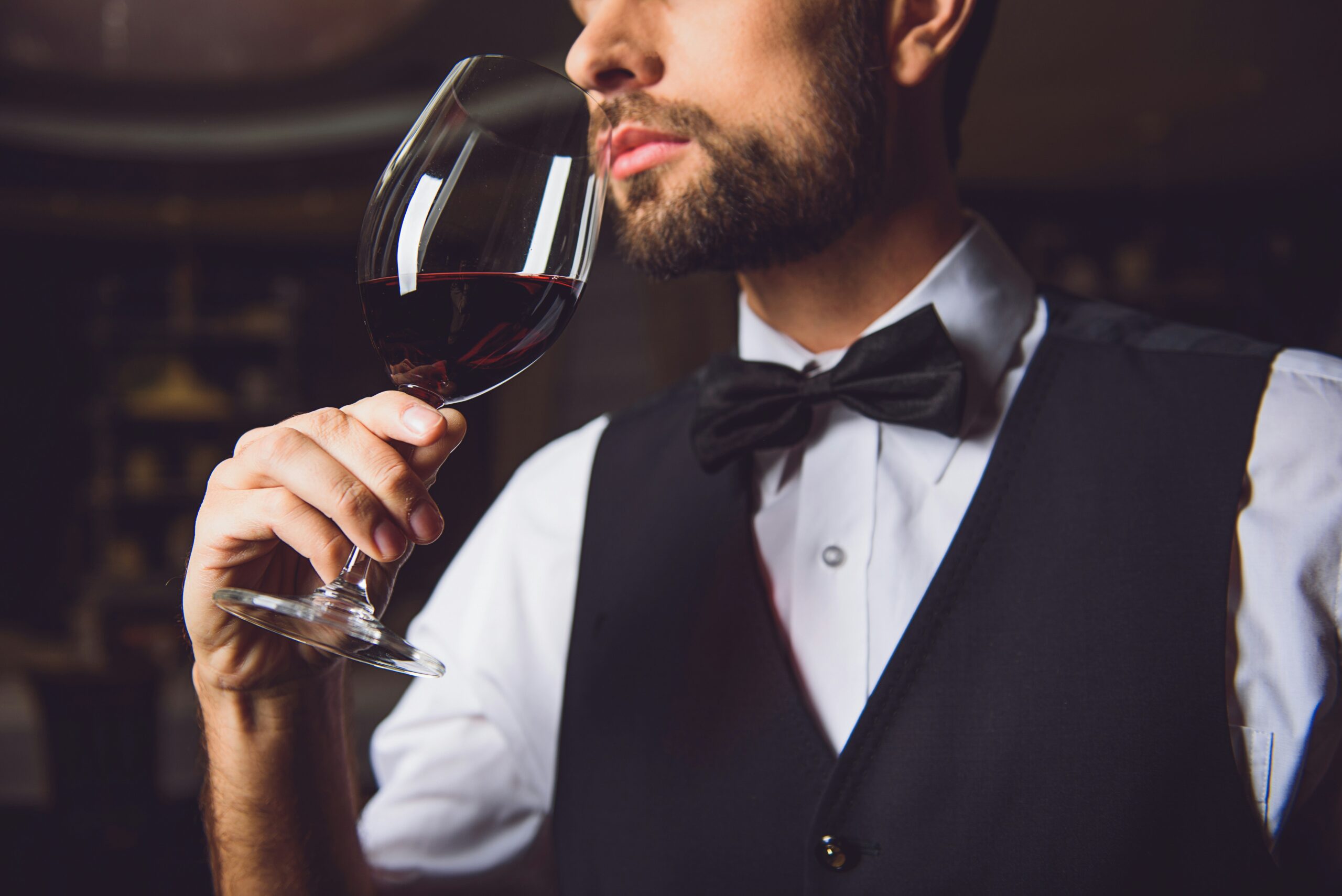
Wine tasting skills depend heavily on the sense of smell, yet many people overlook this fact. While taste plays a role, aroma shapes most of the experience. Therefore, understanding the science of smell can help anyone improve wine tasting skills quickly. Moreover, the brain links scent to memory and flavor, making each sip more meaningful. As a result, learning how smell works allows wine lovers to identify notes, appreciate complexity, and better understand wine flavors with confidence. In this article, we explore how the science of smell enhances tasting skills and how you can train your senses like a pro.
Why Smell Matters More Than Taste in Wine Tasting Skills
Smell plays a bigger role than taste when you evaluate wine. In fact, most of what you call taste comes from aroma. When you swirl wine, it releases compounds into the air. Therefore, your nose detects these scents before your tongue reacts. As a result, strong tasting skills always begin with a trained sense of smell.
Moreover, your brain processes scent and flavor together. This process creates a full sensory experience. Because of this, even small aroma differences can change how wine feels. For example, fruity notes may seem sweet, while earthy tones feel bold. Therefore, improving your sense of smell directly improves your wine-tasting skills.
The Science Behind Aroma and the Human Brain
The human nose contains millions of receptors that detect scent molecules. When you inhale, these molecules travel to the olfactory bulb. Then, your brain identifies and stores the information. Because of this system, wine tasting skills rely on both biology and memory. The more you practice, the better your brain recognizes patterns.
In addition, scent is strongly linked to memory and emotion. This connection explains why certain wines remind you of places or moments. Therefore, building tasting skills involves training both your senses and your recall. As a result, regular exposure to different aromas improves recognition and confidence over time.
How to Train Your Nose for Better Wine Tasting Skills
Training your nose requires consistent practice and focus. First, you should smell everyday items like fruits, spices, and herbs. This habit builds a mental library of scents. Therefore, when you taste wine, you can identify familiar aromas more easily. Over time, this simple practice strengthens your wine tasting skills.
Furthermore, you should compare scents side by side. For example, smell lemon and lime together to notice differences. This method sharpens your perception. In addition, repeating this exercise helps your brain retain details more quickly. As a result, your wine tasting skills improve with each session.
The Role of Wine Aromas in Flavor Perception
Wine contains many aroma compounds that influence flavor. These compounds come from grapes, fermentation, and aging. Therefore, each wine offers a unique scent profile. When you detect these aromas, you understand the wine better. As a result, strong tasting skills allow you to describe wines with clarity.
Moreover, aromas can signal quality and style. For example, fresh fruit notes may indicate youth, while complex aromas suggest aging. Because of this, recognizing scents helps you evaluate wine more accurately. In addition, it enhances enjoyment. Therefore, developing wine tasting skills creates a richer experience.
Common Aromas Every Wine Enthusiast Should Know
Certain aromas appear frequently in wine, so learning them helps build strong wine-tasting skills. Fruity notes like apple, berry, and citrus are common. In addition, floral scents such as rose or violet appear in many wines. Therefore, recognizing these basics gives you a solid foundation.
Moreover, earthy and spicy notes add depth to wine. For example, you may notice hints of oak, vanilla, or pepper. Because of this, expanding your aroma knowledge improves your descriptions. In addition, it helps you clearly communicate your experience. As a result, your wine tasting skills become more refined.
How the Environment Affects Your Sense of Smell
Your surroundings can impact how you perceive wine aromas. Strong external smells can interfere with your senses. Therefore, you should taste wine in a clean, neutral environment. This step allows your nose to focus only on the wine. As a result, your tasting skills remain accurate.
In addition, factors such as temperature and health can affect smell. For example, a cold can reduce your ability to detect aromas. Therefore, tasting when you feel well improves results. Moreover, proper wine temperature enhances aroma release. As a result, managing your environment enhances your wine-tasting skills.
Mistakes That Limit Your Wine Tasting Skills
Many beginners rush through the smelling process. However, this habit prevents full aroma detection. Therefore, you should take time to swirl and inhale deeply. This simple change quickly improves your wine-tasting skills. In addition, it helps you notice subtle details.
Another common mistake involves relying only on taste. While taste matters, smell provides most of the information. Therefore, ignoring aroma limits your experience. Moreover, lack of practice slows progress. As a result, avoiding these mistakes helps you build strong tasting skills faster.
Building Confidence Through Consistent Practice
Confidence grows with repeated exposure and learning. The more wines you smell, the better you understand them. Therefore, regular tasting sessions steadily improve your wine-tasting skills. In addition, keeping notes helps track progress and refine your observations.
Moreover, sharing experiences with others enhances learning. Discussing aromas and flavors exposes you to new ideas. Because of this, group tastings can boost your skills. In addition, feedback helps correct mistakes. As a result, consistent practice builds confidence and expertise in tasting skills.
Mastering Wine Tasting Skills Through Smell
Wine tasting skills improve when you focus on the science of smell. Aroma shapes flavor, memory, and overall experience. Therefore, aroma training becomes essential for developing a sharper sense of smell. In addition, understanding how the brain processes scent helps you learn faster.
However, progress requires patience and practice. You must explore different aromas and environments. Moreover, you should stay curious and consistent. As a result, your tasting skills will grow stronger, and each glass will offer a deeper, more enjoyable experience.